Tips from the Lofoten Nomads team
- Ideal travel period: May to July for the best weather, light, and activities
- Activities: Midnight sun (May-July), northern lights (September-March), hiking (May-September)
- Practical: Booking early is essential. We highly recommend traveling by campervan so you can enjoy maximum freedom.
Complete guide for your vacation in the Lofoten
Planning a trip to the Lofoten but unsure about the best time to go? This arctic archipelago in Norway reveals different faces depending on the season, and the timing of your trip can make the difference between a fun and an unforgettable experience.
The Lofoten Islands are located above the Arctic Circle, yet enjoy a surprisingly mild climate. This unique combination creates spectacular natural phenomena such as the midnight sun in summer and the northern lights in winter. The result? A destination that offers enchanting experiences all year round…
Here you’ll discover everything you need to know to choose the perfect time for your vacation in the Lofoten.
The climate in the Lofoten: unpredictable but mild
The unique Arctic microclimate
The Lofoten have a sub-arctic ocean climate that is much milder than you would expect at this latitude. Thanks to the Gulf Stream, temperatures remain relatively moderate, even in winter. But be aware: the weather can change rapidly. Sun, rain, wind, and fog can alternate within a single day.
The summer temperatures range between 12-18°C, which is pleasant for hiking and outdoor activities. In the winter, temperatures rarely drop below -5°C, much milder than other Arctic regions at the same latitude.
Four seasons, four different experiences
- Spring (March-May): Nature awakening, longer days, and fewer tourists.
- Summer (June-August): Midnight sun, peak season, and optimal conditions.
- Autumn (September-November): A splash of colors, northern lights, and less crowding.
- Winter (December-February): Magical northern lights, snowy landscapes, and surfers.
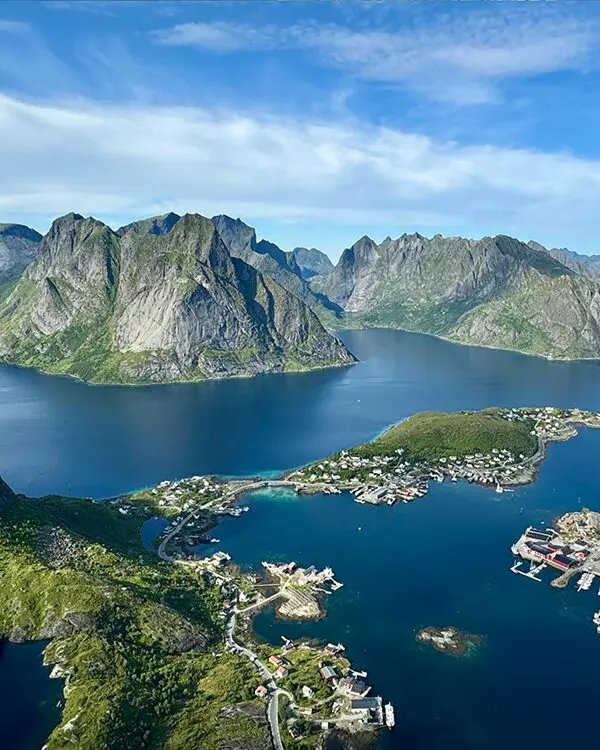
May to July: the best time for a holiday to the Lofoten.
The period from May to July is, in our opinion, the best time for a vacation on the Lofoten Islands. Here are the main reasons why:
May: the undiscovered gem
- Midnight sun starts at the end of May – magical light until 11 PM
- Fewer tourists than June-August, but all services are open
- Blooming nature with arctic flora in full glory
- Ideal for photography thanks to the soft, golden light
- Affordable prices compared to peak season
- Pleasant temperatures of 8-15°C, perfect for hiking
June: the perfect balance
- Midnight sun in full swing – it literally doesn't get dark
- Temperatures rise to 12-17°C, ideal for all activities
- All tourist facilities are fully operational
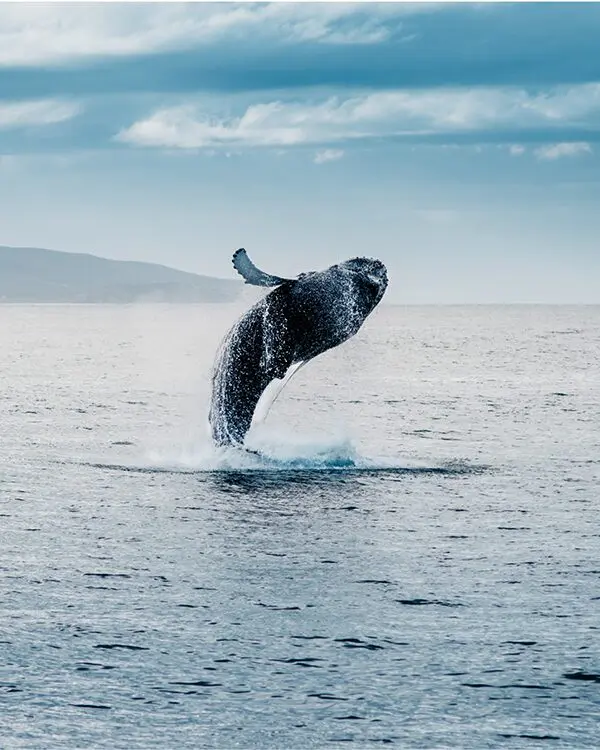
- Whales can be spotted off the coast
- Long days give you maximum time to explore
- Dry weather with the least rainfall of the year
July: the peak of summer
- Warmest month with temperatures up to 18°C
- Sea water temperature reaches 12-14°C – some dare to swim!
- Festivals and events bring the islands to life
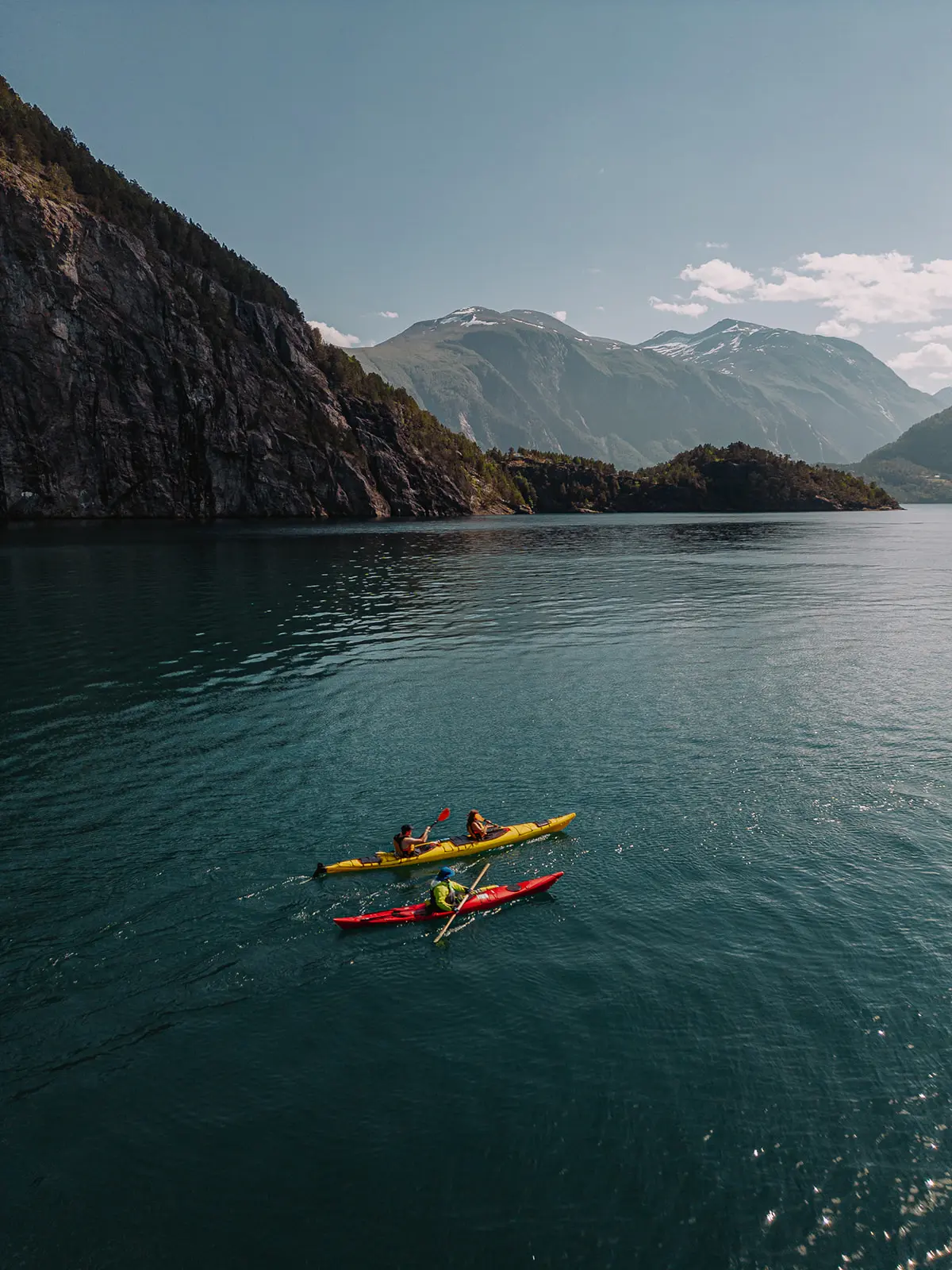
- Optimal conditions for kayaking, biking, and hiking
- Extended midnight sun until mid-month
- Vibrant atmosphere with open restaurants, cafés, and galleries
From May to July, you can take a 7-day road trip through the Lofoten with Lofoten Nomads. Everything is already arranged for you: campervan, planned route, activities, flights, accommodations, and more!
The midnight sun: a unique phenomenon
Between late May and mid-July, you’ll experience something magical on the Lofoten: the sun that never sets. This natural phenomenon means you can hike, take photos, or fish late into the evening without it getting dark. The golden hour seems to last forever, perfect for photographers.
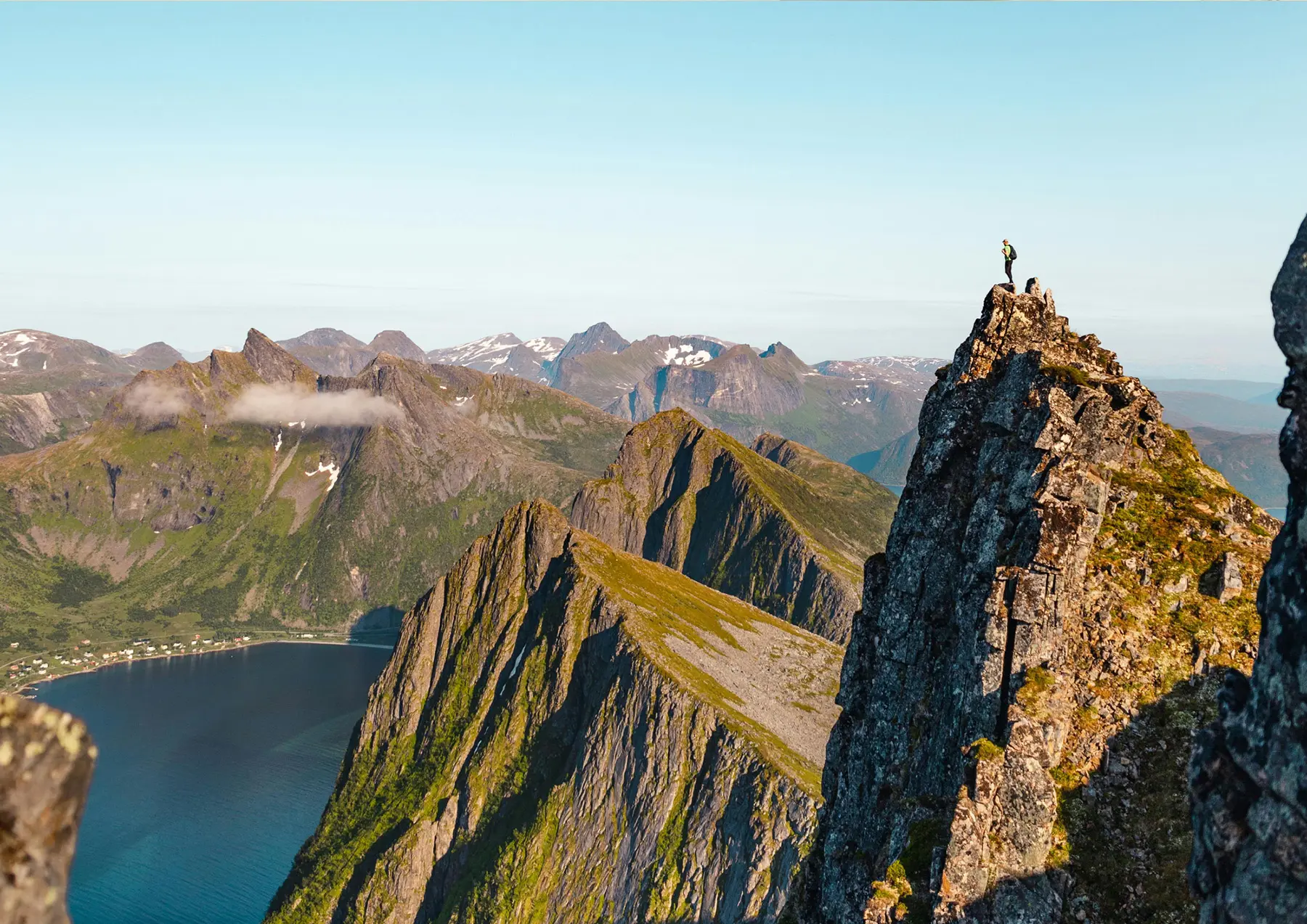
The midnight sun gives your vacation a surreal feeling. Around midnight, you can walk along a mountain top while the sun hangs low on the horizon, bathing the landscape in warm light. It's an experience you won't feel as intensely anywhere else in the world.
Top activities in May-July
- Hiking: All trails are snow-free and accessible
- Kayaking: Calm waters and long days for extensive trips
- Cycling: Explore the Lofoten by bike in ideal weather
- Whale watching: The perfect spot to see these gentle giants is Andenes.
Summer on the Lofoten (June-August): bustling high season
The summer brings the Lofoten to life.
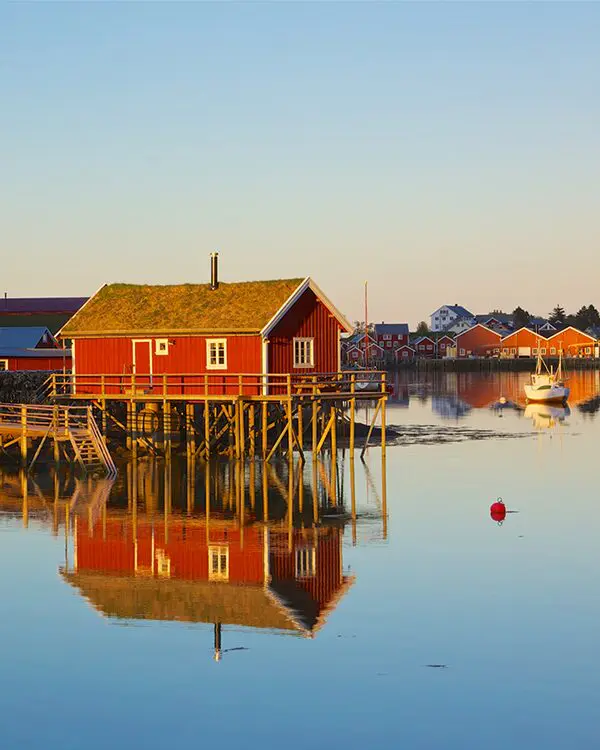
- All accommodations are open, from traditional rorbuers (fishermen's cabins) to hotels and campsites.
- The temperatures (12-18°C) are perfect for outdoor activities without overheating. The sea breeze keeps it pleasant, even on the hottest days. The Lofoten avoid the extreme heat of southern destinations and offer comfortable conditions for active travelers.
- The infrastructure is excellent: renting kayaks and bikes is easy to arrange. Guides for climbing and fishing excursions are widely available. And more importantly: you get to share the experience with locals and other travelers during the most vibrant time of the year.
Tips for the high season:
- Book your accommodations at least 3 months in advance.
- Reserve popular activities online ahead of time.
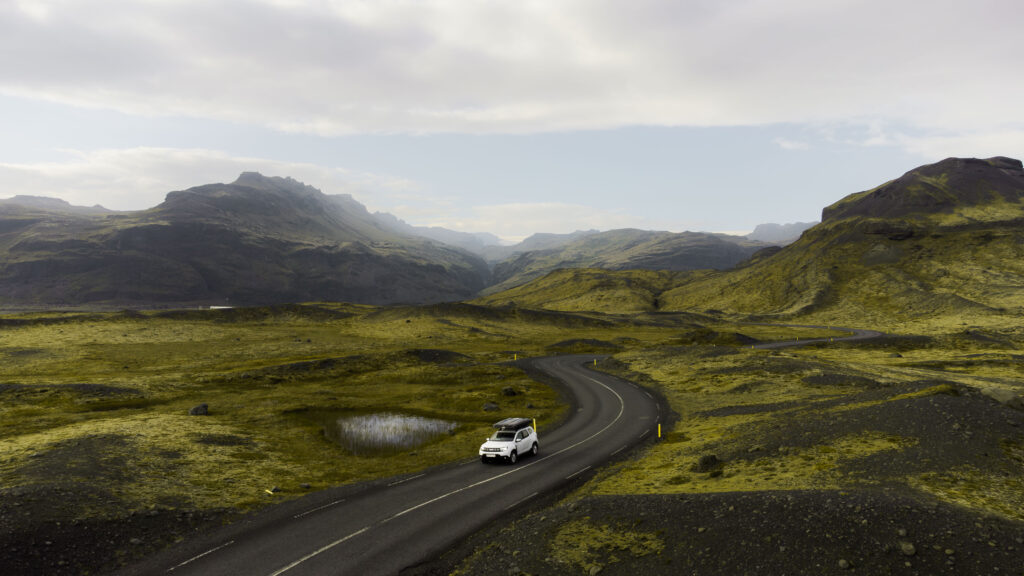
- Rent a campervan or car to stay flexible and avoid crowds. This is what your campervan looks like when you take a trip with Lofoten Nomads.
- Visit tourist hotspots early in the morning or late in the evening.
Spring in the Lofoten (March-May): nature comes to life
Spring is a time of transformation in the Lofoten. The snow melts from the lower slopes, waterfalls swell, and the first arctic flowers appear. The days are getting longer at a rapid pace – in April, you gain 5-6 minutes of daylight each day!
March-April is still wintry with snow on the mountains, perfect for ski touring and snowshoeing. May really feels like spring with temperatures around 8-12°C and green meadows. The combination of snowy peaks and green valleys creates dramatic contrasts.
Benefits of Spring
- Fewer tourists, so you have many places to yourself.
- Lower prices for accommodation and activities.
- Northern Lights are still visible until the end of March.
- Ski slopes remain open until April in some areas.
The Challenges
Spring also has practical limitations. Not all accommodations and campgrounds open their doors before May, and the same goes for some boat trips. The sea temperature (4-8°C) makes swimming a no-go for most.
Autumn in the Lofoten (September-November): color and northern lights
Starting in September, the darkness returns to the Lofoten – and with it, the northern lights. The aurora borealis will dance across the sky again from late August/early September, a spectacular sight that draws many to the north.
September-October offers the best combination: still relatively mild weather (8-12°C), colorful autumn landscapes, and dark nights for northern light hunting.
Autumn for Nature Lovers
Autumn shows the Lofoten in warm hues. Birch forests turn gold, the heather becomes red-orange, and the low autumn sun creates beautiful light for photography. It's a quieter season with more space on popular hiking trails.
Activities in the Autumn:
- Spotting the Northern Lights
- Hiking in colorful landscapes
- Fishing
Practical Considerations
Starting in October, many tourist services begin to close for the season. Restaurants and cafés shorten their opening hours or temporarily close. Boats to remote islands drastically reduce their schedules. The days get much shorter – in November, you only have 5-6 hours of daylight.
The weather also becomes more unpredictable from September, with more wind and precipitation. The sea temperature drops to 8-10°C in September and further into autumn. Snowfall is possible from October, especially in the mountains. Plan your trip with these limitations in mind.
Winter in the Lofoten (December-February): polar nights and northern lights
From late November to mid-January, you can experience the Lofoten polar night (mørketid): the sun doesn't rise above the horizon. This doesn't mean complete darkness, as there's a twilight for a few hours around noon, but it creates a mystical atmosphere that is unique to this region.
The winter is the highlight for northern lights hunters. With up to 20 hours of darkness each day, the chances of seeing the aurora borealis are optimal. The blue twilight sky and the snow-covered mountains create a breathtaking backdrop for the green northern lights.
Winter Activities
The Lofoten transform into a winter wonderland with unique opportunities:
- Northern lights hunting
- Arctic surfing
- Husky safaris and reindeer sledding
- Ice fishing, a local tradition
- Saunas and hot tubs
The Challenges of Winter
Winter travel to Lofoten, Norway requires good preparation. Temperatures ranging from -2°C to +3°C may seem mild, but the wind can make it feel much colder. Ice and slippery roads make driving risky – winter tires are mandatory.
Many tourist services operate on limited winter hours or close completely. Accommodation options are more limited, especially outside of larger towns like Svolvær and Leknes. Transport becomes more challenging with less frequent buses and canceled ferry connections in bad weather.
The short days (3-4 hours of daylight in December-January) limit your activities. Hiking becomes more difficult and sometimes dangerous due to snow and ice. Some roads and trails close completely. A holiday in the Lofoten during winter is magical, but it requires realistic expectations and flexibility.
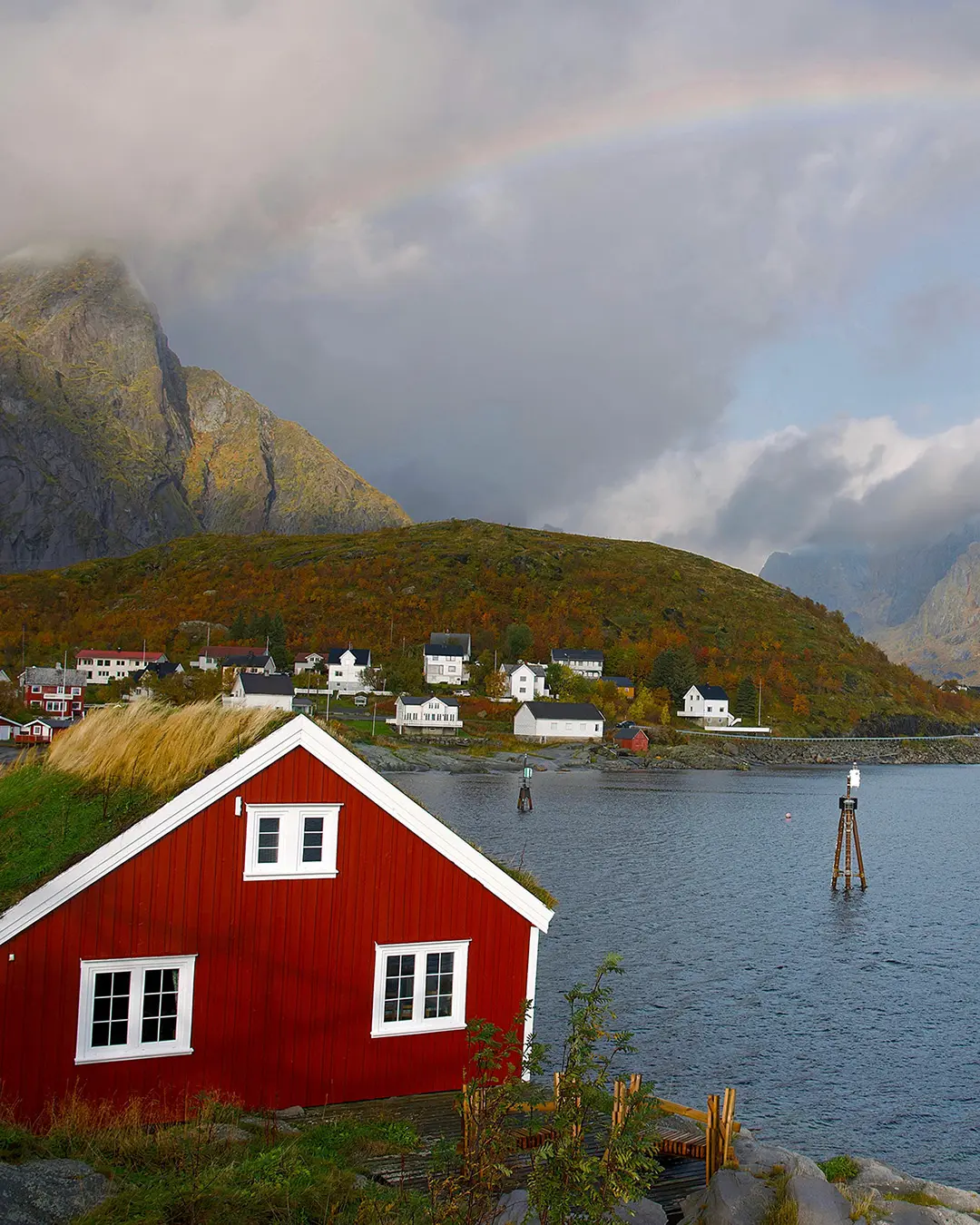
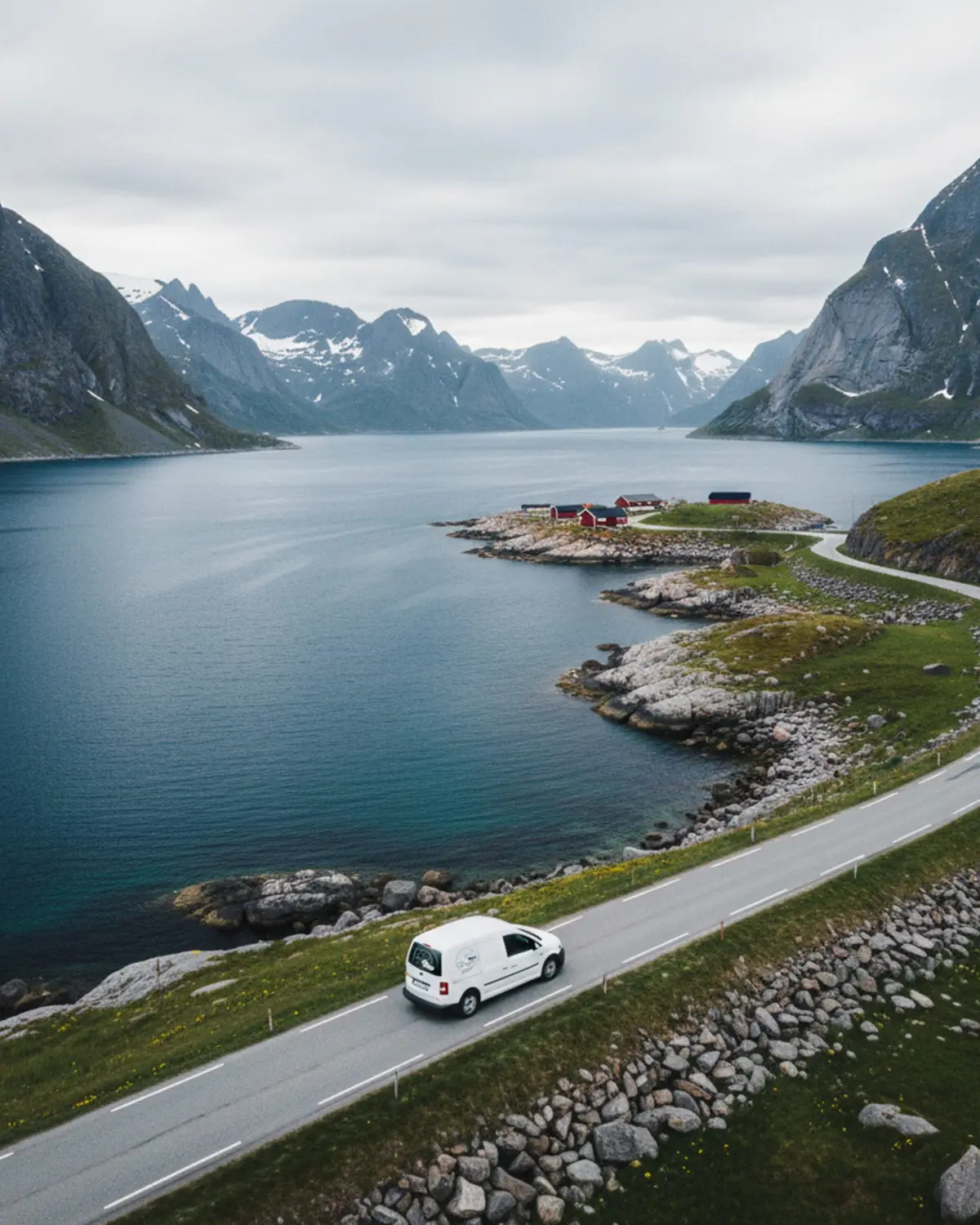
Our recommendation: May-June for your first vacation to the Lofoten.
Is it your first time in the Lofoten? Then May-June is the perfect time. You get the best of both worlds: less crowd than in peak season, meaning more affordable accommodations and activities, while all the facilities are open and the midnight sun is already present.
May offers the most peace and lower prices. June gives you slightly warmer weather, assurance that everything is open, and the longest days. In both months, you avoid the large tourist flow of August, while still being able to fully enjoy this arctic gem.
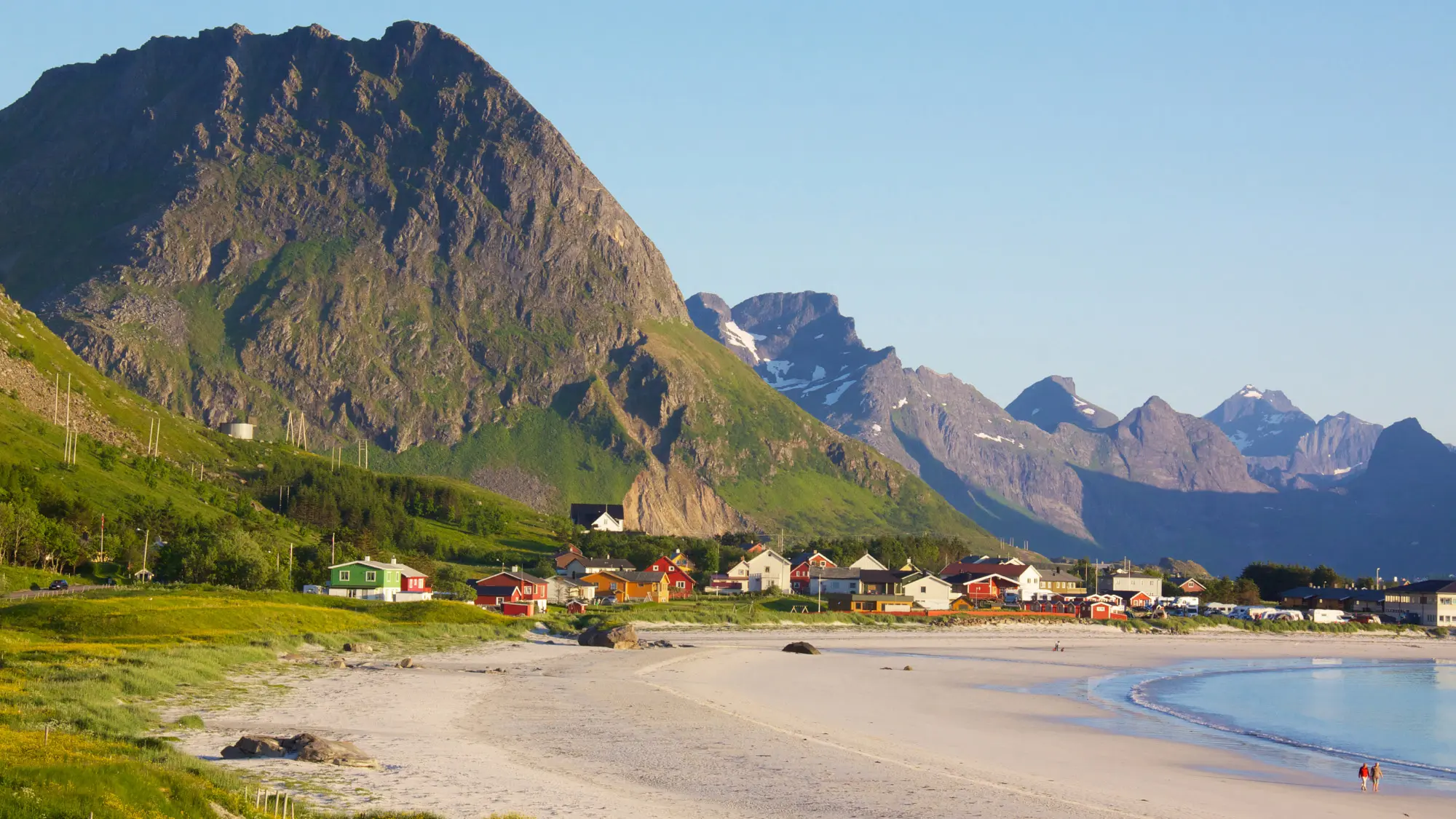
The midnight sun, accessible hiking trails, white beaches, dramatic mountain landscapes, and the chance to spot whales – everything comes together in this magical period. A holiday in the Lofoten at the start of summer means: the best weather, optimal conditions, and an authentic experience without too many fellow travelers.